The magnetic tube of an MRI machine is a loud, confined space. For someone battling a severe illness, lying perfectly still inside it is not just uncomfortable. It is exhausting. On a routine afternoon in Málaga, one patient arrived for her scheduled imaging entirely drained.
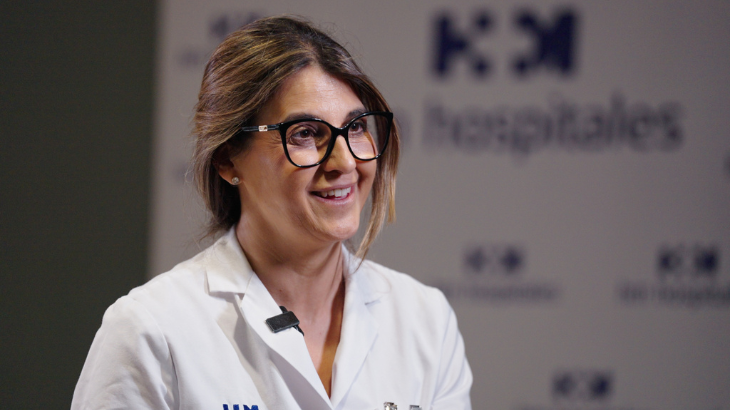
"She's an oncology patient with metastatic cancer in the liver," explained Dr. Josefa Calvo, the Radiology Department Coordinator at the Málaga HM Hospitales clinic. "And that day, the lady came for her MRI scan, her usual checkup, and she was particularly irritable, not very cooperative. She was fed up."
A hospital cannot truly heal if its diagnostic tools push patients to their breaking point. This quiet reality is what drives the medical teams at HM Hospitales, a private healthcare network that has expanded to nearly fifty centers across Spain since its founding in the nineteen nineties. Their core mission has always been to prioritize the human side of medicine, ensuring that the process of getting better does not break the spirit of the patient.
"Working at HM Hospitals means clinical excellence," Dr. Calvo noted. The daily reality of her job reinforces this commitment. "there are special cases every day, whether it's because of the disease, or because of the people themselves, which leave you in no doubt that you are on the right path, that you're in the medical field."
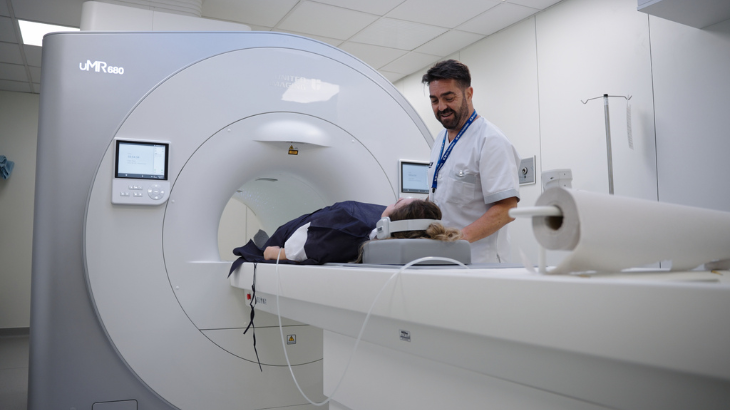
To better serve individuals like the exhausted woman in Málaga, the network upgraded its imaging technology. They installed new United Imaging uMR 680 magnetic resonance systems in several locations. When the frustrated oncology patient was offered the chance to use the new equipment, she reluctantly agreed. What happened next completely changed her outlook on her treatment routine.
"She came out of the MRI, and the first thing she said was: 'Have we finished already?'" Dr. Calvo recalled. The dread was gone. "she keeps coming in to do her checkups, and she said, well, she said: 'The new machine, the new machine'."
That exact sense of relief is echoing across the country. Over in Madrid, the Nodo Norte HM Center opened its doors in May 2025. Dr. Ainhoa Del Blanco, the Head of Diagnostic Radiology, immediately noticed how the upgraded technology transformed the clinic's daily rhythm.
"The installation of the new United Imaging MRI machine has involved a rather quick adjustment for the technicians, the workflow and appointments have advanced considerably in less than a month," Dr. Del Blanco explained.
Faster scans mean less time for panic to set in. "We have in fact seen that the proportion of repeat appointments due to issues with claustrophobia and discomfort has really dropped overall," she said. It also helps that the staff feels completely comfortable operating the equipment. "actually my technicians, what they've conveyed to me is that it's very easy to use and handle."
But comfort and speed are only part of the equation. The most crucial factor in radiology is absolute clarity. The new machines operate with a level of detail that has surprised veteran doctors.
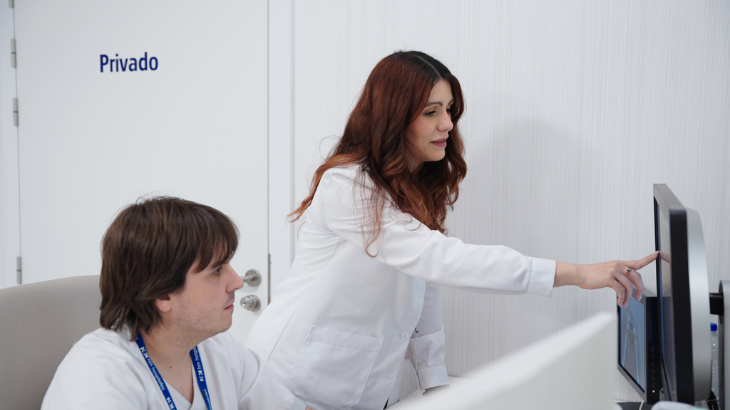
"Precision and speed provide us with a better resolution," said Dr. Calvo. "And the image quality, well, you have to see it for yourself. We could see lesions that we couldn't detect with the other MRI, and it was a drastic change." Looking at the older scans next to the new ones was a revelation. "We have two images in which we compare one image from an MRI to another, and it's like they're from different patients."
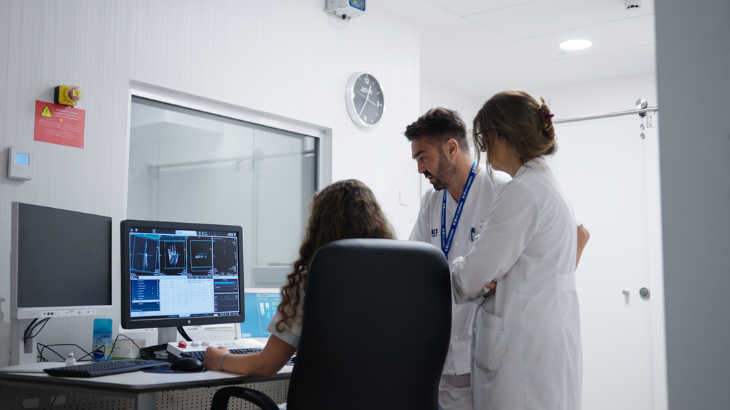
The transition was made smoother by the manufacturer, who provided round the clock assistance. Dr. Calvo appreciated the human quality of the team and feeling that they were forming a true partnership with them.
"I think that in Spain, the main issue that hasn't been covered is prevention, as we have to improve medicine much more in prevention and not allow diseases to reach a certain stage, and equity, for technology to reach all areas and all communities, and all the most remote areas," Dr. Calvo observed. "looking to the future, we can advance a great deal in that field and bring a lot of benefits to patients."